
Montessori Resources
Parent Resources
-
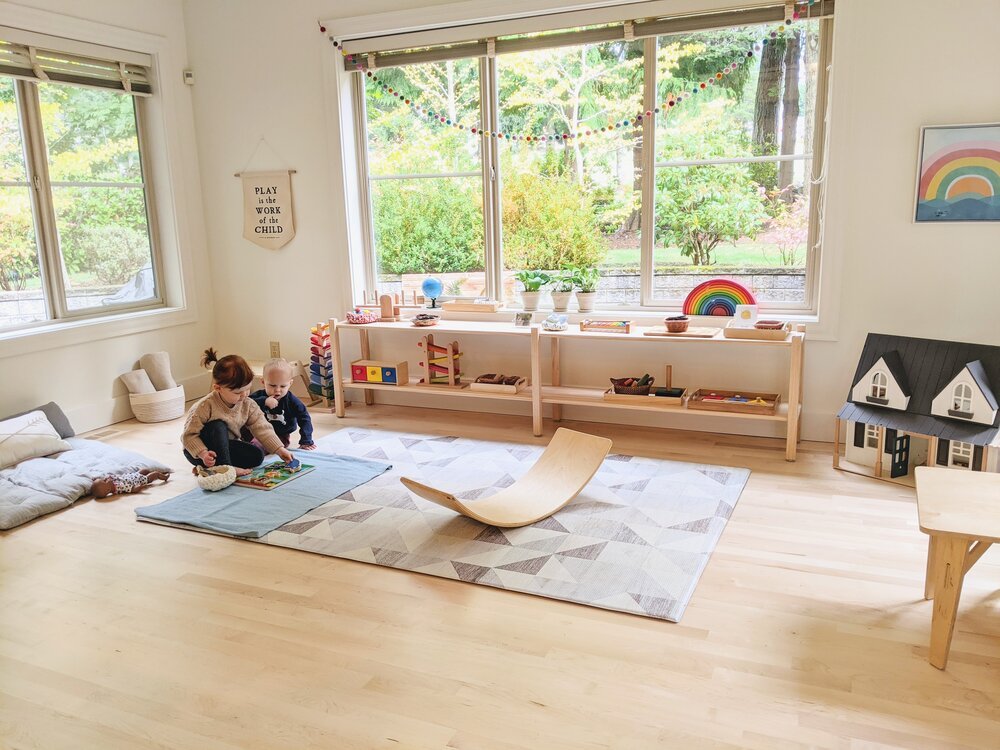
Montessori in the Home
Ways you can bring the Montessori world into your home
-

Montessori 101
What are the components of a Montessori Education?
-

A Montessori Education
Researchers analyzed the effect of a Montessori education on both academic and non-academic outcomes
-

The Four Planes of Development
Development from Infancy to Maturity explained
-

Age-appropriate Chores for Kids
Here’s a list of possible chores that most children in each age group are able to do.
-

The Montessori Child's Bedroom - 18mo to 3yrs
A beautiful, organized, and uncluttered environment can help in many ways
-

Practical Applications of Montessori in the Home
Building a space to promote growth and development
-

Supporting DEI in the Montessori Classroom
Key points from Dr. Gholdy Muhammad - Unearthing Joy: A Guide to Culturally and Historically Responsive Curriculum and Instruction
-

People of Color Conference - Keynote Speaker
Dr Gholdy Muhammad - NPR MindShift podcast interview
-

What Most American Schools Do Wrong
“Having the same teacher in at least two different grades makes a difference.” Dr. Adam Grant, author of Hidden Potential
-

Top 10 Montessori Math Materials
Take a deep dive into the brilliance of the Montessori Math Materials
-

Sleep in Early Childhood & Beyond
"A child should be permitted to go to sleep when he is tired, to wake up when he is rested, and to rise when he wishes." Maria Montessori
-
The Science of Reading at Daycroft
What are the many strands that are woven together to make a skilled reader?
-

Practical Life
Helping children develop independence, coordination, and concentration through activities that simulate everyday tasks
-

Leadership Perspectives: Elementary Education
Enjoy this summary of the Elementary Q&A Session
-

Daycroft Montessori Parenting Collaborative
Resource List
-

The Anxious Generation - Jonathan Haidt
The Anxious Generation by Jonathan Haidt argues that the rise in youth mental illness is caused by the shift from a play-based childhood to a "phone-based childhood," driven by smartphones and social media after 2010. Haidt details how this "great rewiring" disrupts development through sleep deprivation, social comparison, and addiction, leading to epidemics of anxiety and depression, particularly affecting girls, while boys withdraw into virtual worlds.
-
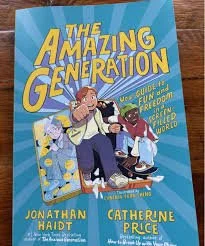
The Amazing Generation - Jonathan Haidt & Catherine Price
The Amazing Generation: Your Guide to Fun and Freedom in a Screen-Filled World is a new book designed to help kids and tweens navigate the challenges of smartphones and social media, inspired by Haidt's The Anxious Generation. It offers practical advice for young people to take control of their devices and find real-life adventure, with a focus on mental health and freedom from digital pressures. The book is aimed at a younger audience (ages 8-12) and provides a guide for making healthier choices in a screen-filled world.
-
The Self-Driven Child
The Self-Driven Child by Ned Johnson and William Stixrud is a parenting book that argues for giving children more control to foster motivation, resilience, and success, using neuroscience and psychology to explain why micromanagement backfires.
It provides practical advice for parents to shift from controlling to coaching, helping kids develop self-management skills by taking responsibility for their own lives, even if it means allowing them to fail sometimes. The book combines brain science, behavioral therapy, and real-world case studies to guide parents in empowering their children to take the wheel.